Fusion reactors in orbit: a new vision for future energy
Scientists propose placing fusion reactors in space to power future missions and settlements.
 💡Tech
Photo: RBC-Ukraine
Key points
- Placing tokamaks in orbit to overcome terrestrial limitations
- Benefits of microgravity and vacuum for fusion installations
- Alternative to fission reactors for deep space exploration
An energy revolution beyond Earth
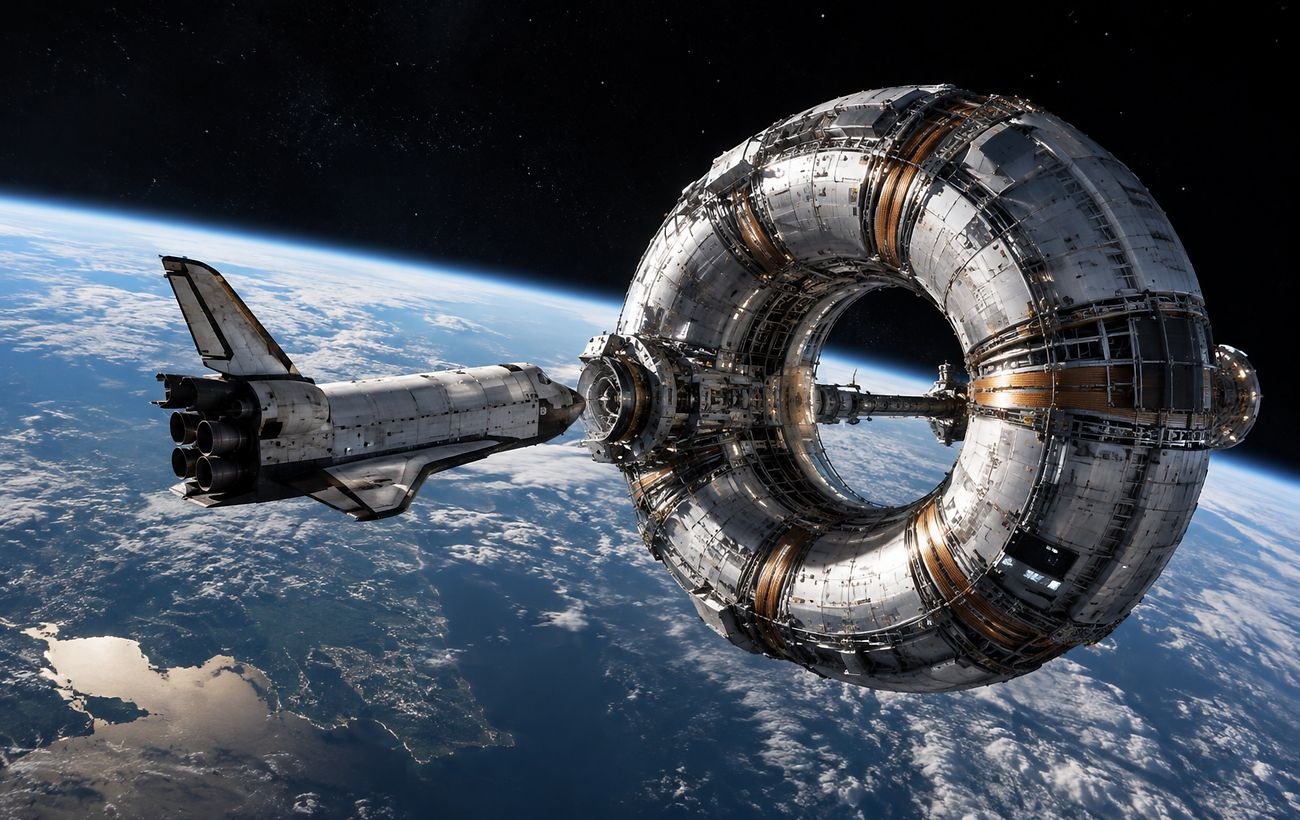
Researchers are exploring the possibility of placing fusion reactors directly into Earth's orbit. According to a publication in ResearchGate, current terrestrial technologies face several limitations that could be overcome by the conditions of outer space.
Physicist Yang Bai of the Spacefaring Research Institute proposes using tokamaks—doughnut-shaped reactors—in geostationary orbit. He notes that microgravity and the absence of atmospheric pressure allow for significantly lighter structures and more compact vacuum chambers. Furthermore, the space environment facilitates heat dissipation through radiation.
Prospects for space missions
Current spacecraft rely heavily on solar panels, the efficiency of which drops significantly as they move away from the Sun. A 1-gigawatt fusion reactor, according to the researchers' calculations, could provide energy not only for orbital data centers or industrial facilities but also for future bases on the Moon or other planets.
Managed fusion could become the foundation for long-term human presence beyond Earth, — says Yang Bai.
While these projects remain theoretical for now, they are viewed as a safer alternative to fission reactors, which the US and China are currently planning to use in their lunar programs.
Source RBC-Ukraine — rbc.ua/ukr/news/termoyaderni-reaktori-hochut-vidpraviti-kosmos-1795… ↗
Read next
 💼Economy
A Giant Solar Power Plant Built Near the Sahara Generates Electricity at Night
The massive 580-megawatt Noor solar complex in Morocco can generate electricity even after sunset thanks to advanced thermal energy storage technologies.
 🛡️Security
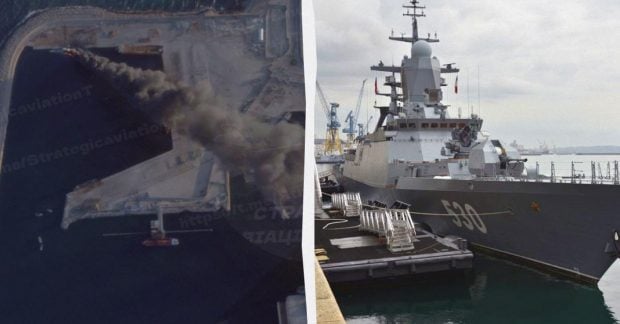
Destruction of Russian Corvette 'Merkuri' Near Libya Undermines Kremlin's African Ambitions — Navy
The elimination of Russia's newest corvette 'Merkuri' and a Ka-27 helicopter near the coast of Libya has struck a blow at Moscow's logistical routes and geopolitical inte…
 🎓Education
Winter Weather Approaching Ukraine: Forecasters Predict Snowfall and Black Ice
A sharp change in weather is expected across Ukraine in the coming days, with forecasters predicting snow, sleet, gusty winds, and icy roads.
 🩺Health
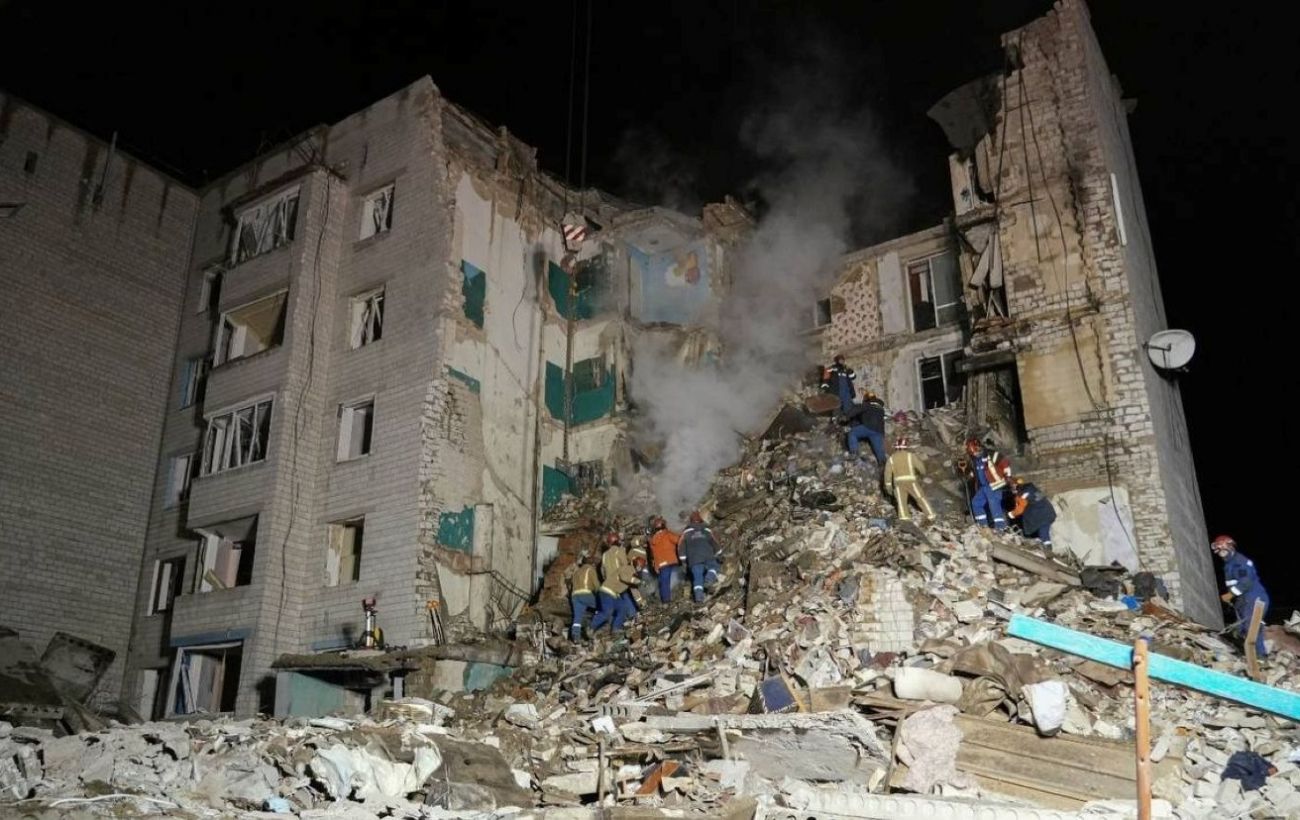
Strike on Dymer: Death Toll Rises to 11 as Rescue Operations Continue
A Russian drone strike on a residential building in Dymer, Kyiv region, has killed 11 people, while two others remain missing.
 🛡️Security
Western Intelligence Warns of Russian Plans to Deploy Nuclear Weapons in Space This Year
According to Western intelligence agencies, Russia is preparing to launch a satellite equipped with a nuclear warhead into orbit, threatening global infrastructure.
 🩺Health
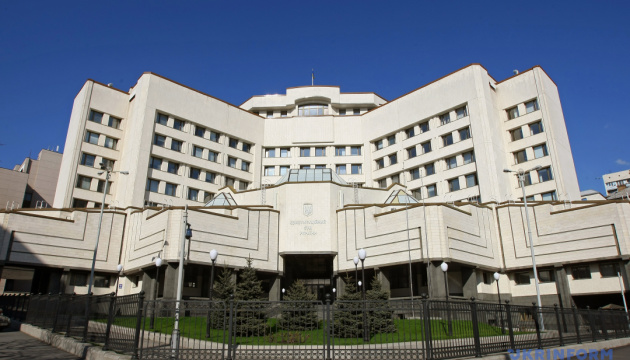
Constitutional Court of Ukraine on the Brink of Losing Quorum as Judge Count Falls
The Constitutional Court of Ukraine is left with only 12 judges, threatening procedural gridlock and the suspension of case reviews.