A Giant Solar Power Plant Built Near the Sahara Generates Electricity at Night
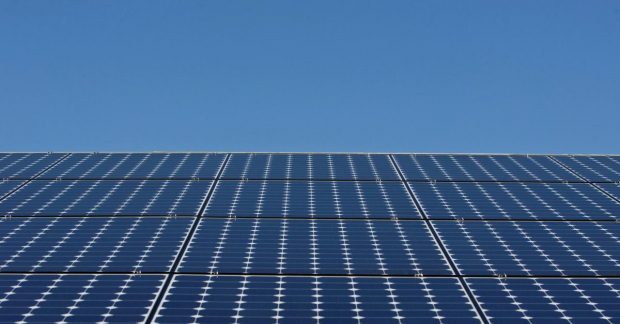
The massive 580-megawatt Noor solar complex in Morocco can generate electricity even after sunset thanks to advanced thermal energy storage technologies.
 💼Economy
Photo: UNIAN
Key points
- The Noor solar complex in Morocco has a capacity of 580 megawatts.
- The plant utilizes molten salt thermal storage to generate power after sunset.
- The project received over 3 billion dollars in international financing.
- Renewable energy sources now account for about 44% of Morocco's generation capacity.
Modern renewable energy continues to overcome its primary technological limitations through major engineering breakthroughs and substantial investments. Located near the city of Ouarzazate in Morocco, on the edge of the Sahara Desert, the Noor complex stands as one of the largest solar energy installations in the world with a capacity of 580 megawatts. Built by Saudi Arabia’s ACWA Power with over 3 billion dollars in international funding, this enormous facility provides electricity to more than a million people. The project was launched roughly a decade ago to combat the nation's heavy reliance on imported fossil fuels, which previously met 95 percent of its primary energy needs.
Innovative Technology and Thermal Storage
What sets the Noor complex apart from conventional solar fields is its ability to capture and store thermal energy during the day to continue power generation after dark. The facility comprises four distinct units, with Noor III featuring a striking 250-meter-tall tower surrounded by thousands of heliostats or tracking mirrors. These mirrors concentrate solar radiation onto a receiver at the top of the tower, where heat is stored using molten salts. This thermal storage technology allows the plant to drive steam turbines and produce electricity for several hours after sunset, effectively bypassing the traditional intermittency issue of solar power.
By capitalizing on its geographical advantages, Morocco has steadily reduced its vulnerability to volatile international fuel prices. Renewable sources now account for approximately 44 percent of the country's total installed electricity generation capacity. This achievement highlights the long-term economic and environmental benefits of strategic investments in green infrastructure.
Source UNIAN — unian.ua/economics/energetics/sonyachna-elektrostanciya-v-marokko-y… ↗
Read next
 🛡️Security
Artificial Intelligence on the Frontline: How Ukrainian Ground Robots Are Moving Toward Autonomy
Ukraine's defense industry is actively integrating artificial intelligence into ground robotic systems to reduce operator dependency and connection risks.
 🧠AI Analysis
New Geography of Maritime Threats: Strikes on Russian Logistics in Libya and the Baltic
Incidents in Libya's Benghazi and the Gulf of Finland highlight the critical vulnerability of Russia's remote maritime routes and supply bases.
 🛡️Security
Military Intelligence Reports on New Enemy Strike Plans: Armed Forces Given Tasks
Ukraine's Main Intelligence Directorate has briefed the country's military leadership on Russia's plans for new strikes, prompting specific defense tasks for the Armed Fo…
 🛡️Security
Scale of Russian Air Attacks: Thousands of Drones and Dozens of Missiles Recorded in October
The Ukrainian Defense Minister reported a record increase in the number of reactive UAVs and ballistic missiles launched by Russia during October.
 💡Tech
End of Shortage: Analysts Predict a Price Drop for RAM and SSDs in 2027
Financial analysts forecast a significant decline in the cost of RAM and solid-state drives by mid-2027 due to market oversaturation and a cooling AI boom.
 🧠AI Analysis
Winter weather approaches Ukraine: forecasters predict snow, ice, and sharp cooling
The final week of November brings significant weather changes to Ukraine, with forecasters warning of wet snow, gusty winds, and dangerous icy roads.