Experts Evaluate the Critical State of Russian Strategic Aviation and Its Operational Limits
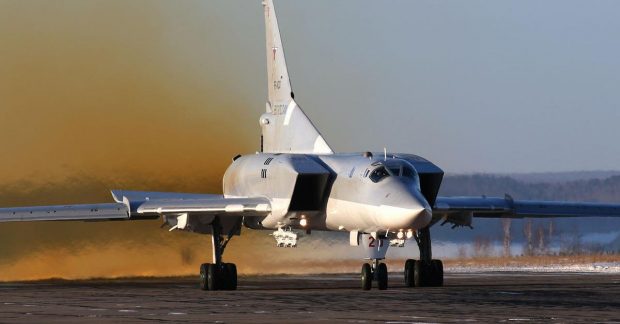
Russia's military-industrial complex faces a deep technological crisis in maintaining and restoring its strategic aircraft fleet.
 🚨Events
Photo: UNIAN
Key points
- Engine and component deficits halt the restoration of the Russian air fleet
- Strategic aviation relies entirely on Soviet-era residual resources
- Sanctions paralyze the development of advanced radar and reconnaissance aircraft
Modern Russian military aviation is exhausting its resources due to the inability to fully replicate the complex technological chains of the Soviet era. According to defense experts, the production of new combat aircraft and engines is hindered by the lack of a necessary metallurgical base and modern machine tools. The adversary's entire strategic capability currently relies on Soviet-era stockpiles and the cannibalization of older airframes.
Technological Limitations and Engine Production Crises
A critical vulnerability of the Russian fleet remains the acute shortage of specialized engines for heavy bombers. Specifically, turboprop engines for Tu-95MS and supersonic engines for Tu-22M3 are not being manufactured in required volumes due to lost engineering competencies. Attempts to modernize or build new units like the Tu-160M encounter insurmountable obstacles in complex manufacturing processes, such as electron-beam welding of titanium components in vacuum chambers.
- The production of engines for strategic missile carriers is severely hindered by technological lags.
- Maintenance infrastructure has suffered significant disruptions due to broken logistical chains.
- Western sanctions have blocked the development of modern airborne early warning and control aircraft.
Beyond production issues, the intense exploitation of the existing fleet burns through the airframe resources much faster than peacetime regulations dictate. The limited number of operational missile carriers forces the command to carefully preserve remaining assets, directly affecting the frequency and intensity of long-range air strikes.
Source UNIAN — unian.ua/weapons/rosiya-maye-obmezheni-mozhlivosti-vidnovlyuvati-st… ↗
Read next
 🏙️City
New Safety Regulations for Drohobych Businesses: Two-Tier Alert System Introduced
As of December 4, 2026, new requirements for business operations during air alerts have been implemented in Ukraine, introducing 'red' and 'yellow' alert levels.
 🏙️City
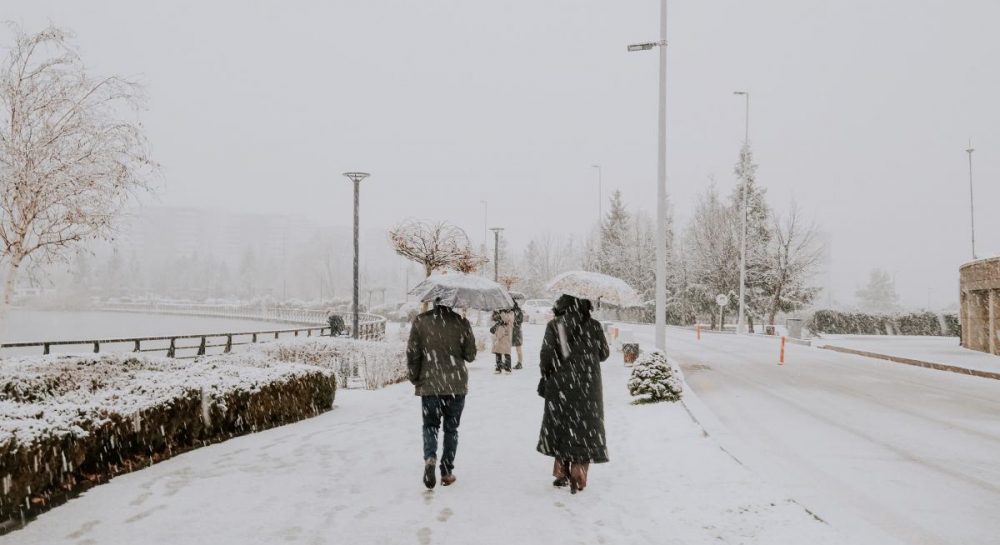
Warmer than Average: Climate Experts Release Initial Forecast for December 2026
Ukraine is expected to experience a milder start to winter in December 2026, with temperatures 1–2°C above climate norms. Despite the warmth, periodic frosts and wet snow…
 🏙️City
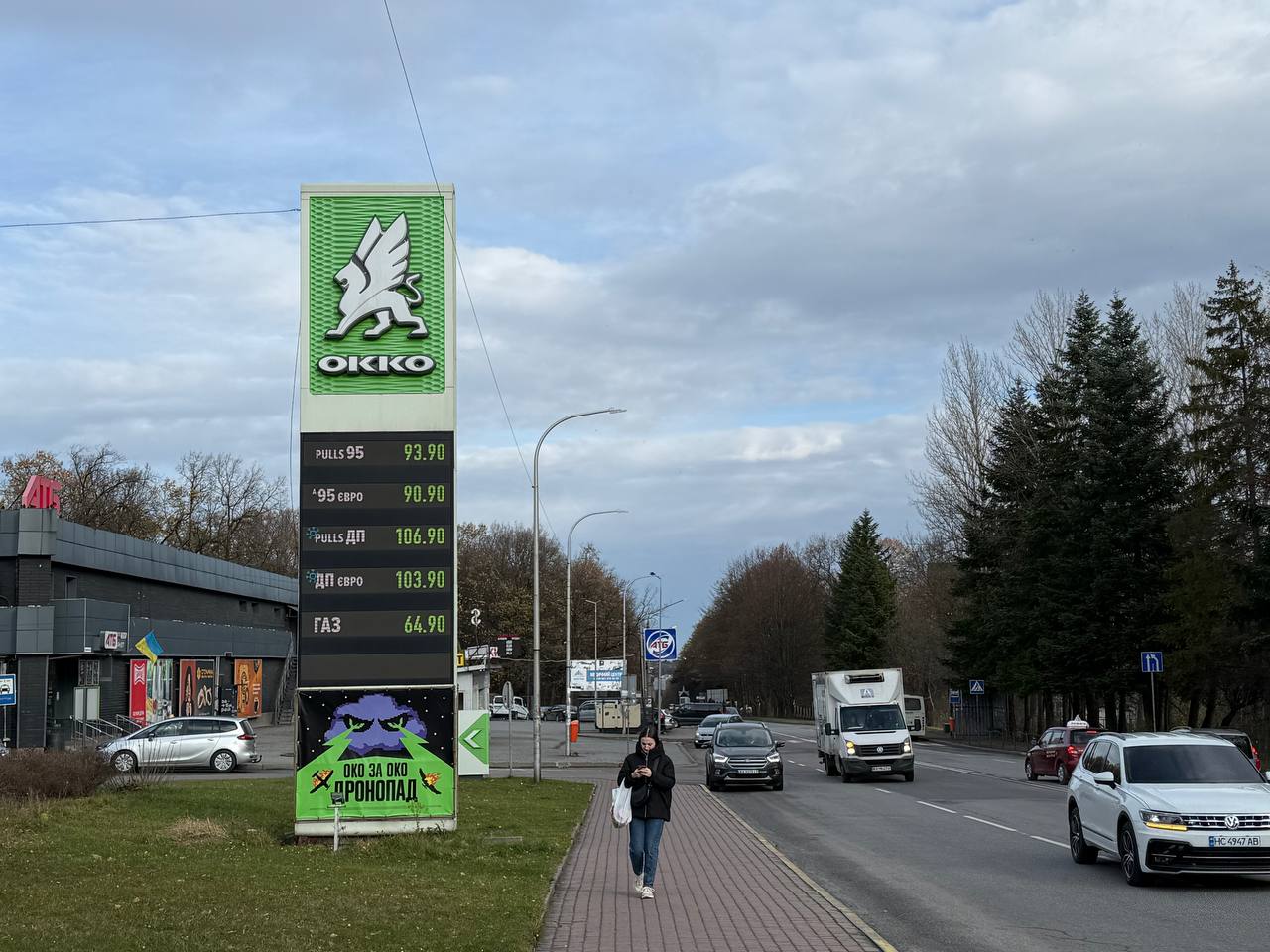
Price drop at filling stations: how fuel costs changed across Ukrainian gas station networks
Leading Ukrainian gas station networks have updated their price tags, recording a decrease in the cost of gasoline and diesel.
 🏙️City
Aftermath of the Dymer Attack: Fate of the Displaced Residents
Following a hostile drone strike in Dymer, Kyiv region, local authorities have provided temporary housing for victims and are assessing the structural integrity of the da…
 🛡️Security
Energy workers restore power in Rivne region following enemy attack
Power supply has been fully restored in the Sarny district of the Rivne region after being disrupted by a Russian attack on November 20.
 👥Society
Autumn Rose Care: Expert Advice for Drohobych Gardeners
Experts explain why gardeners should avoid radical pruning of roses until persistent frosts set in.