The History of the Calendar: Why We Celebrate New Year on January 1st
Exploring the historical origins of the January 1st date and the evolution of New Year's traditions worldwide.
 🎓Education
Photo: TSN
Key points
- Julius Caesar established January 1st as the start of the year
- The Gregorian calendar standardized timekeeping
- Diversity of New Year's traditions worldwide
From Ancient Cycles to the Modern Calendar
The tradition of celebrating the beginning of the new year on January 1st has deep roots dating back to Ancient Rome. Although various civilizations have chosen their own dates tied to natural phenomena over the millennia, it was Julius Caesar's reform in 46 BC that established January as the start of the annual cycle. The month's name derives from the god Janus, who symbolized transitions, the past, and the future.
The Evolution of Celebration in Europe
In medieval Europe, there was no single standard: in different regions, the year began on Christmas, Easter, or the Annunciation. The situation only changed after the introduction of the Gregorian calendar by Pope Gregory XIII in 1582. This system became the foundation for modern civil timekeeping, which is used by most countries today.
Each bell strike in Japan symbolizes the release of one of the human passions that hinder harmony.
Today, the world demonstrates a diversity of cultural customs. While some nations adhere to traditions such as eating grapes in Spain or preparing lentils in Italy, others, like the Chinese or followers of the Islamic calendar, continue to celebrate the beginning of the year based on their own lunar cycles.
Source TSN — tsn.ua/tsikavinki/koly-sviatkuiut-novyy-rik-chomu-data-prypadaye-na-1-s… ↗
Read next
 🩺Health
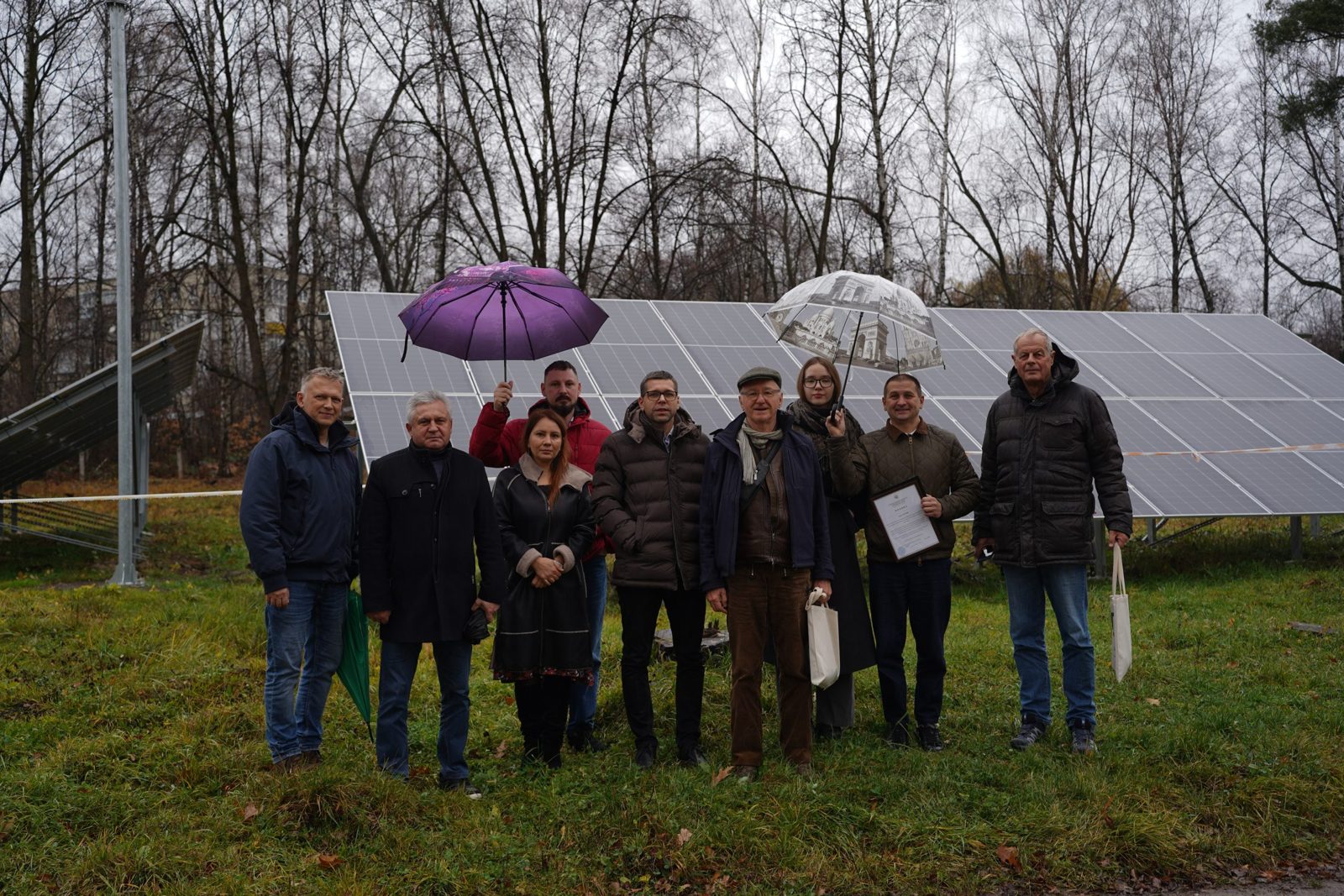
Stebnyk Hospital Achieves Energy Independence with New Solar Station
The infectious diseases department of the Stebnyk hospital has been equipped with a 20 kW hybrid solar power plant to ensure uninterrupted operations during power outages…
 🇺🇦Ukraine
NATO Secretary General Mark Rutte rejects Russia's demands to return to 1997 borders
The NATO Secretary General stated that Russia's proposals to revise European security are unacceptable to all Alliance members.
 🧠AI Analysis
Scientists Identify Two Critical Ages for Immune System Aging: Key Milestones at 40 and 60
New research reveals that the human immune system ages in rapid bursts rather than steadily, with significant shifts occurring at ages 40 and 60.
 🛡️Security
Russian Forces Attack Pharmacy in Sumy Region with Drones, Leaving One Seriously Injured
In the border town of Seredyna-Buda, Russian troops targeted a local pharmacy with FPV drones, critically injuring an elderly man.
 🛡️Security
Artificial Intelligence on the Frontline: How Ukrainian Ground Robots Are Moving Toward Autonomy
Ukraine's defense industry is actively integrating artificial intelligence into ground robotic systems to reduce operator dependency and connection risks.
 🧠AI Analysis
New Geography of Maritime Threats: Strikes on Russian Logistics in Libya and the Baltic
Incidents in Libya's Benghazi and the Gulf of Finland highlight the critical vulnerability of Russia's remote maritime routes and supply bases.