Free School Meals in Lviv Region: Plans to Cover All Students by Year-End
The Lviv region is continuing the implementation of an initiative to provide schoolchildren with free hot meals. The program is expected to cover all educational institutions in the area by the end of the year.
 💼Economy
Photo: posyti.com.ua
Key points
- Free meals for students in grades 1-11 are active in most Lviv region communities.
- Full implementation of the program is expected by the end of the year.
- Drohobych already features operational day-care services for children with disabilities.
- A total of 414 schools in the Lviv region can conduct classes in shelters during alarms.
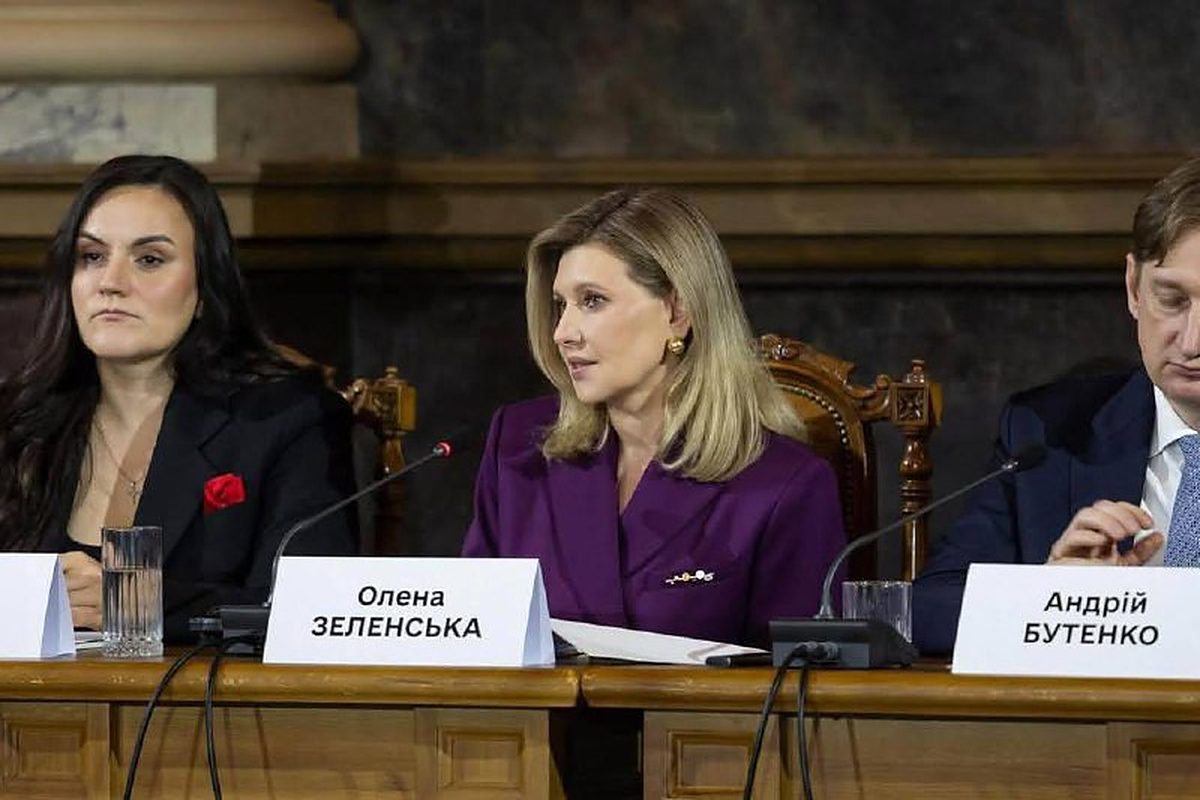
The organization of free meals for comprehensive school students in the region became a key topic during a meeting of the National Council for the Protection of Children's Rights. The event took place at Lviv Polytechnic with the participation of First Lady Olena Zelenska and Head of Lviv Oblast State Administration Maksym Kozytskyi.
Meal Coverage and Educational Safety
Starting from September of this year, free hot lunches have been provided to students from the 1st to 11th grades in the vast majority of the region's communities. The Yavoriv and Novoyavorivsk communities remain the exceptions for now, though relevant agencies expect to close this gap. It is anticipated that the program will encompass every child by the end of the year.
In addition, the meeting addressed educational safety. Currently, there are 1,016 schools operating in the region, with 414 of them equipped with shelters that allow classes to continue even during air raid alarms. Regional authorities, in cooperation with local municipalities, are working to expand this network wherever security requirements permit.
Early Childhood Education and Inclusive Environment
Particular attention was paid to the development of preschool education and an inclusive environment. Over the past five years, 20 kindergartens have been opened in the region, bringing the enrollment rate of children aged three to six to 89%. The next strategic priority is establishing kindergartens in smaller communities.
Furthermore, the expansion of day-care services for children with disabilities and early intervention services is ongoing. Such services are already operating in several cities across the region, including Lviv, Sambir, Новый Роздол, Drohobych, and Stryi. Lviv RMA Head Maksym Kozytskyi emphasized that the regional administration is ready to assist with coordination and resource mobilization, but local communities must clearly define their needs and implementation timelines.
Source posyti.com.ua — posyti.com.ua/news/14770 ↗
Read next
 🩺Health
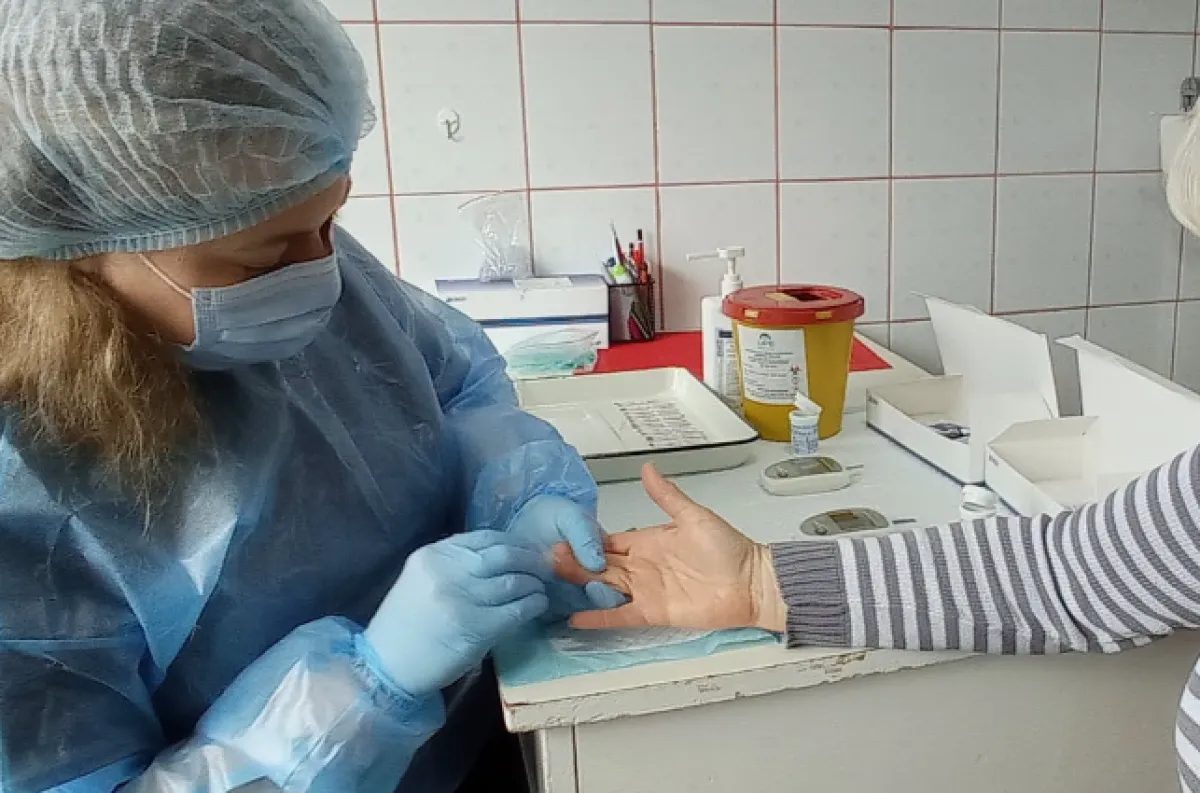
Mobile testing for HIV and hepatitis to be held in Morshyn community
On November 26, residents of four villages in the Morshyn community will have the opportunity to undergo free and rapid health screening for viral infections.
 🎓Education
Mark Rutte warns against duplicating NATO structures with European armies
NATO Secretary General Mark Rutte expressed concerns regarding the creation of a unified European military force parallel to NATO, citing risks to decision-making speed.
 👥Society
Data on the death of journalist Victoria Roshchyna in Russian captivity was repeatedly altered in Russian registries
An investigation based on a Rosstat leak has uncovered manipulations regarding the dates and causes of death of Ukrainian journalist Victoria Roshchyna.
 🩺Health
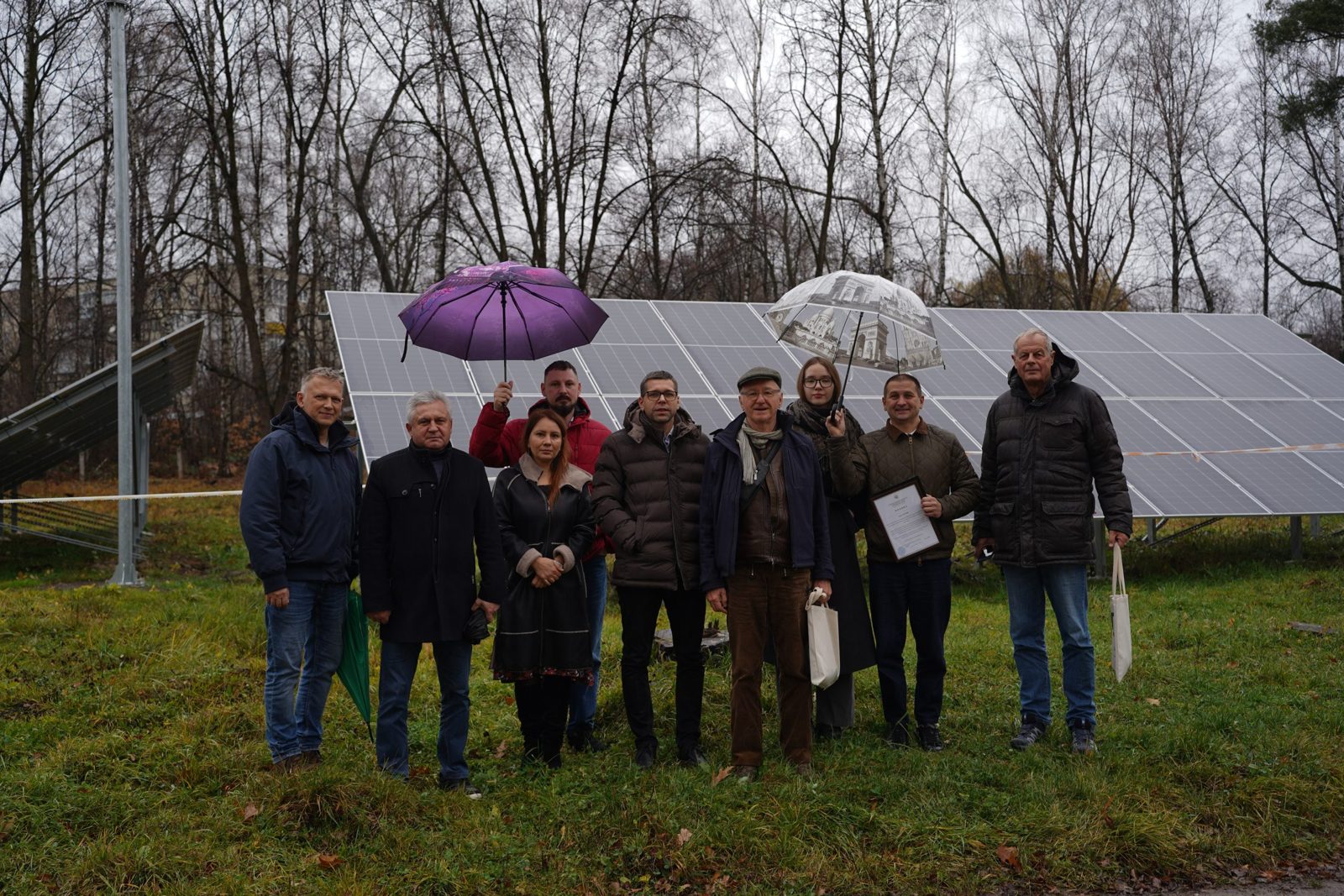
Stebnyk Hospital Achieves Energy Independence with New Solar Station
The infectious diseases department of the Stebnyk hospital has been equipped with a 20 kW hybrid solar power plant to ensure uninterrupted operations during power outages…
 🇺🇦Ukraine
NATO Secretary General Mark Rutte rejects Russia's demands to return to 1997 borders
The NATO Secretary General stated that Russia's proposals to revise European security are unacceptable to all Alliance members.
 🧠AI Analysis
Scientists Identify Two Critical Ages for Immune System Aging: Key Milestones at 40 and 60
New research reveals that the human immune system ages in rapid bursts rather than steadily, with significant shifts occurring at ages 40 and 60.